
Shelby County’s New Year’s Resolutions
If you’re anything like us, you’re struggling to stick to your New Year’s resolutions, and it’s hardly been a week. That’s because it’s way easier to carry on the status quo than to make important, difficult changes to your life. Memphis is the same way—our local governments, education systems, nonprofits, and budgets can easily fall into the same playbook year-in and year-out.
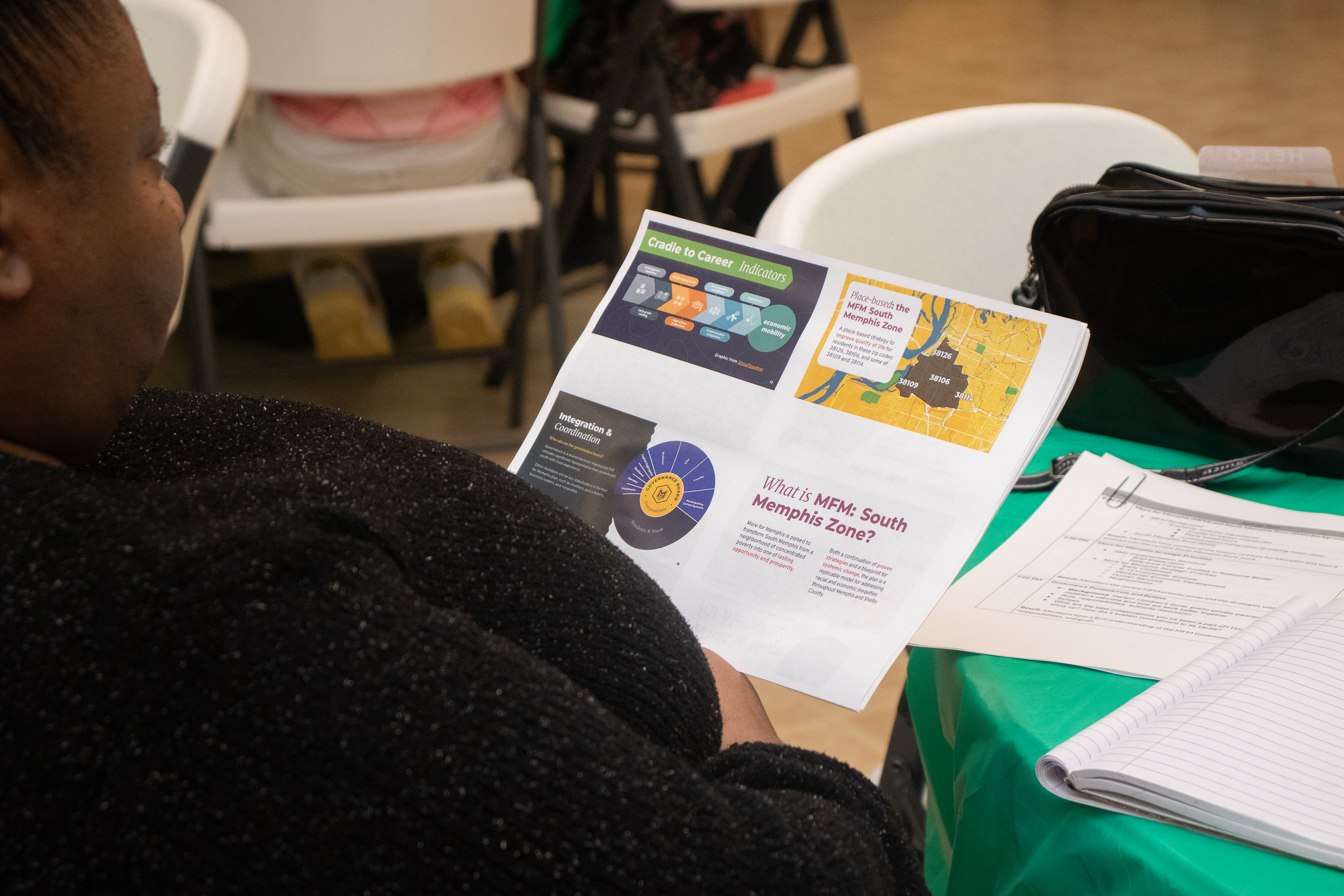
Just like our personal resolutions, we won’t achieve our community resolutions without a plan. While we still face low educational outcomes, entrenched poverty, and a myriad of other challenges, a set of shared resolutions and commitments across our efforts can begin to change how we support our children and families in 2026.
Study Confirms: Community Schools Are Great!
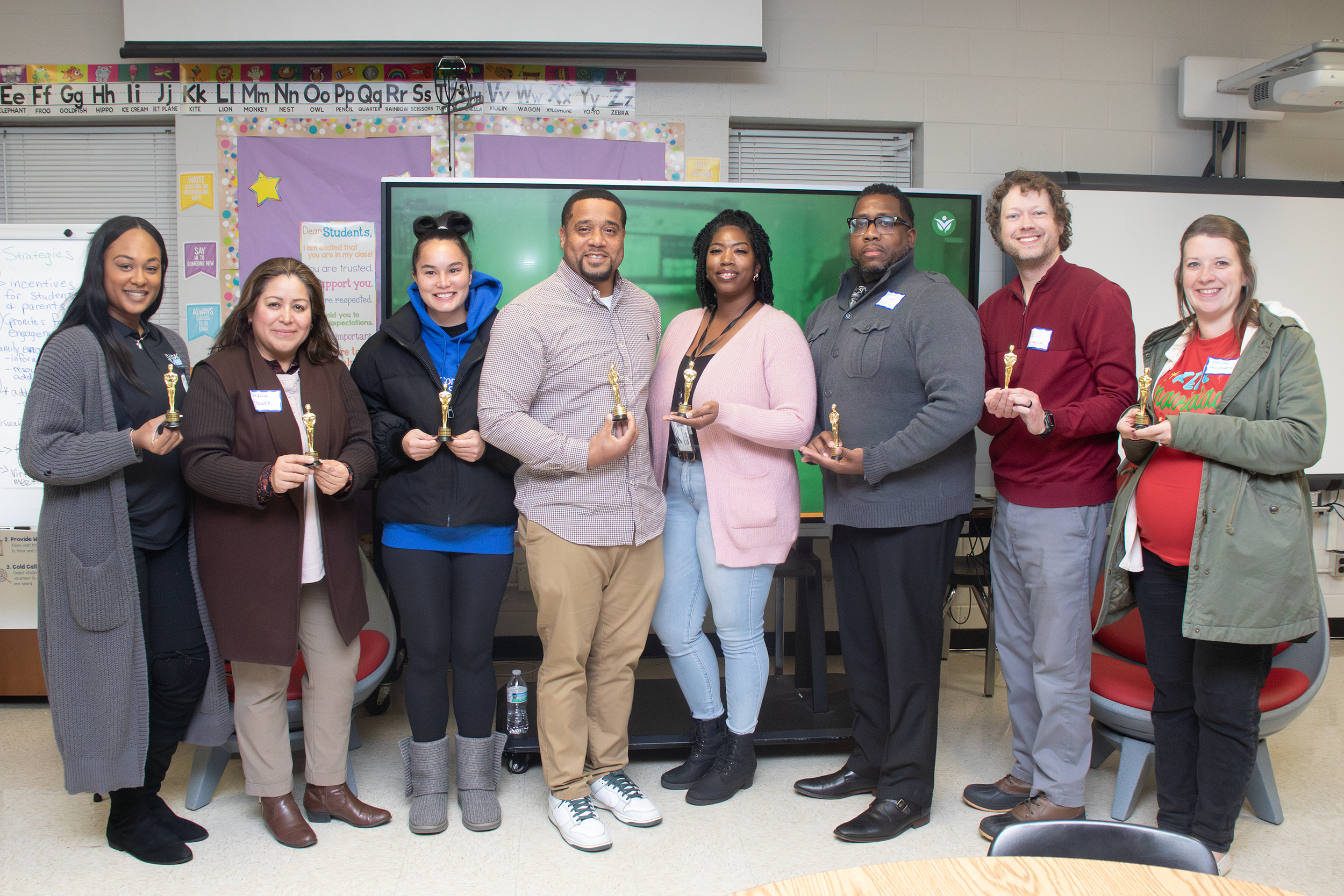
A recent study from Harvard and Cornell Universities evaluates the impact of Communities In Schools (CIS), the nation’s largest integrated student support program, on students in high-poverty schools. Researchers found that providing personalized and coordinated supports (otherwise known as Full-Service Community Schools) leads to significant improvements in academic performance, high school graduation rates, and early-career earnings for students at highest risk.
So what about Memphis?
230,000 Futures in the Making
The future is advancing quickly and our systems are failing to keep up. The unemployment rate for recent college graduates averaged 5.3%, while their underemployment rate remains over 41%.
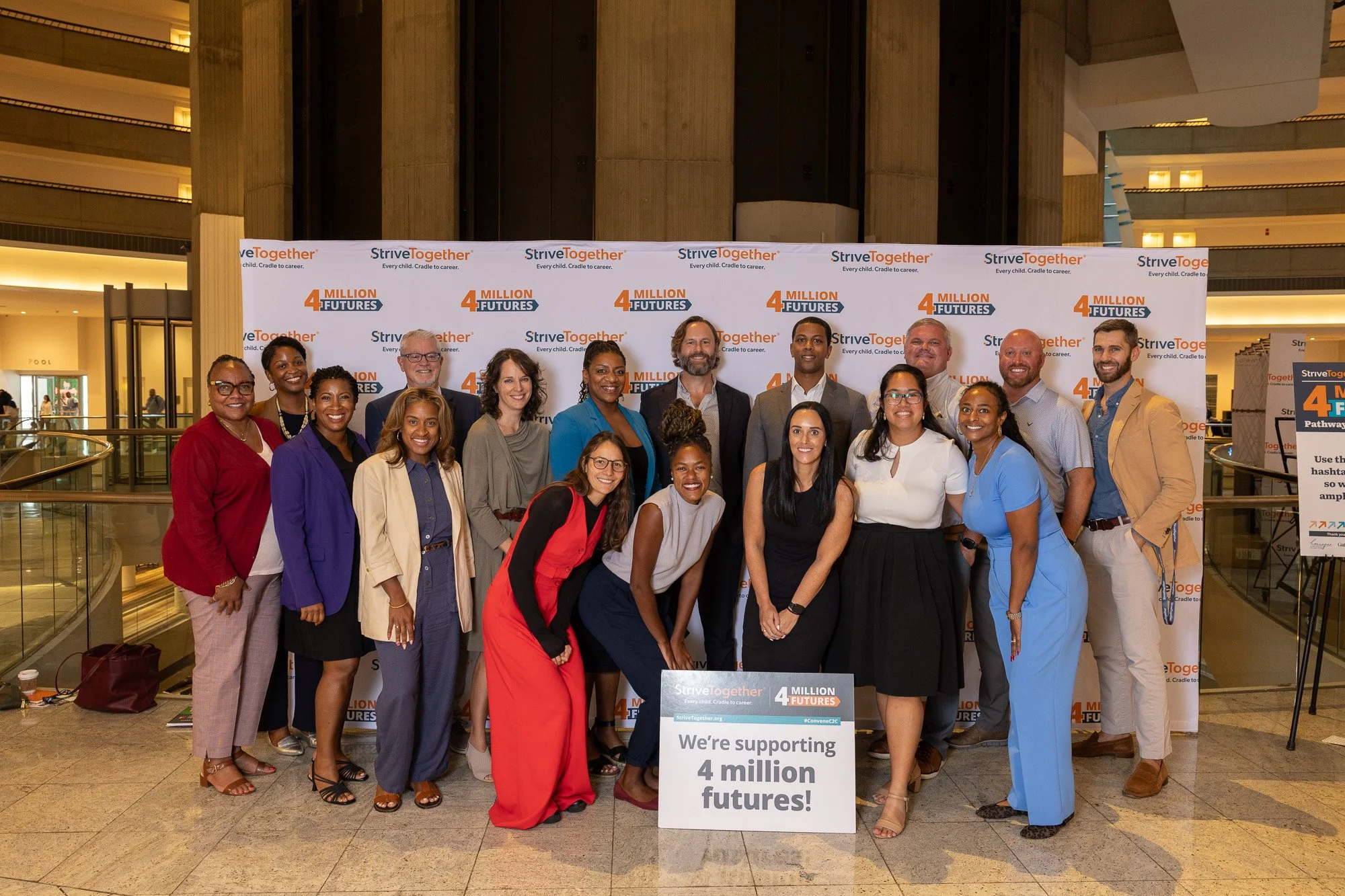
Together with the StriveTogether Network and our new statewide collaboration—Cradle to Career TN—we are working to invest in students, improve their academic outcomes by improving their lives, and prepare them for the future.
Refresher on Community Schools: Weekly Policy Update
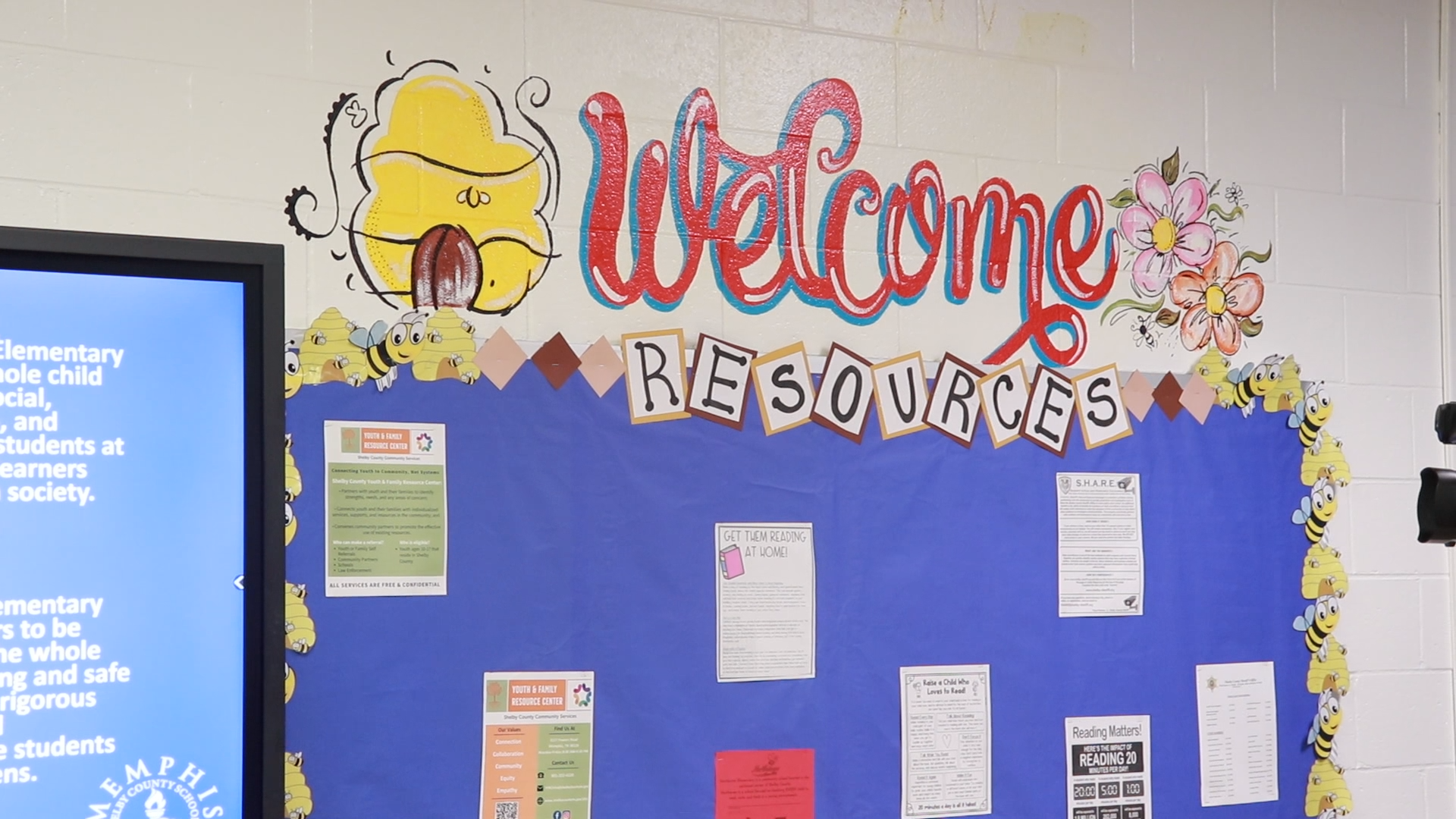
A community school is a public school that acts as a hub for the neighborhood, offering both educational services and broader community resources. It integrates academic learning with supports for student and family well-being, like health care, social services, and expanded learning opportunities. What has this model looked like in practice in Shelby County over the last couple of years, and what measurable outcomes are we seeing?