
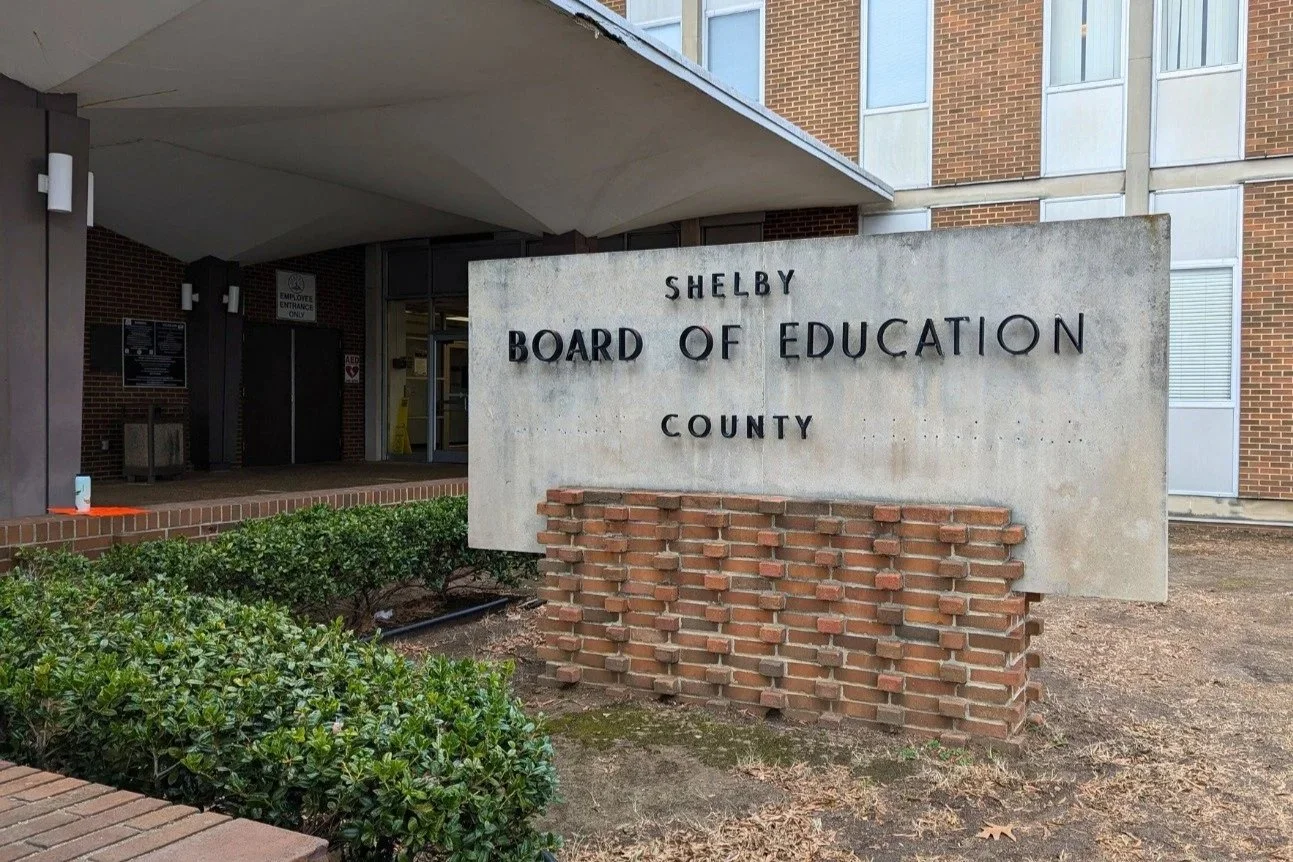
A Statement on State Intervention in MSCS
For more than a decade, Seeding Success has worked alongside Memphis-Shelby County Schools, families, educators, and community partners with one goal in mind: improving outcomes for children.
That commitment has never changed. What has changed is our understanding of what it will take to make the progress our students deserve.

Mental Health Concerns at MSCS
Memphis-Shelby County Schools is suffering a critical lack of school psychologists to help address the mental health struggles of students. With four in ten Tennessee high school students reporting feelings of persistent sadness or hopelessness and two in ten reporting having seriously considered attempting suicide, it’s clear that youth need more support, and current services aren’t cutting it.
How many mental health providers currently work at MSCS? And why are we at risk of losing access to youth mental health data?

Centering the Data on Data Centers
As cities across the U.S. grapple with the rapid revolution of artificial intelligence, Memphis finds itself in the center of the debate over how to balance protecting community needs with the expansion of the Mississippi Delta’s data center alley.
In this update, we examine the proposed moratorium on new AI data centers in Memphis, how SpaceXAI is currently operating in the area, and what considerations and guardrails residents here and across the country are asking for when data centers come to town.

Tennessee Changed Its Higher Education Funding Formula
A student can complete a certificate or degree and still struggle to find stable employment. A credential doesn’t lead to strong wages, continued career advancement, or growing employment opportunities just because it is connected to an industry described as “high need.”
In July, the Tennessee Higher Education Commission approved recommendations for the state’s 2026–2030 outcomes-based funding formula. The most consequential workforce change revises the formula’s Workforce Investment Premium. What can we expect this change to do for state residents looking for work?

Seeding Success Receives 2026 Future Forward Innovation Grant
NASHVILLE, Tenn. — The State Collaborative on Reforming Education (SCORE) today announced the 2026 recipients of the Future Forward Innovation Grant, a $725,000 investment in nine innovative partnerships that will create new education-to-work pathways leading to high-wage, in-demand jobs for students across Tennessee.